
Case Studies#
Two worked research scenarios showing how the Swiss-AL tools combine in practice. Each follows a researcher from an initial question through to an analysis, naming the tool used at every step.
Climate Change#
Tools used: Semantic Space · Context of Words · Distribution of Words
Susanne, an environmental scientist, is researching climate change — a widely covered topic — but she has no experience collecting large text datasets or crawling news websites. She needs a way to navigate the Swiss media landscape quickly and identify relevant terms and trends for further analysis.
She wants to know which terms are most commonly used when reporting on climate change in Switzerland, and how different media outlets write about the topic.
Step 1 — Exploring vocabulary with Semantic Space#
To discover terms related to climate change, Susanne uses Semantic Space. She searches for Klimawandel (‘climate change’) in the German journalistic corpus, which covers high-reach German-language media published since 2010.
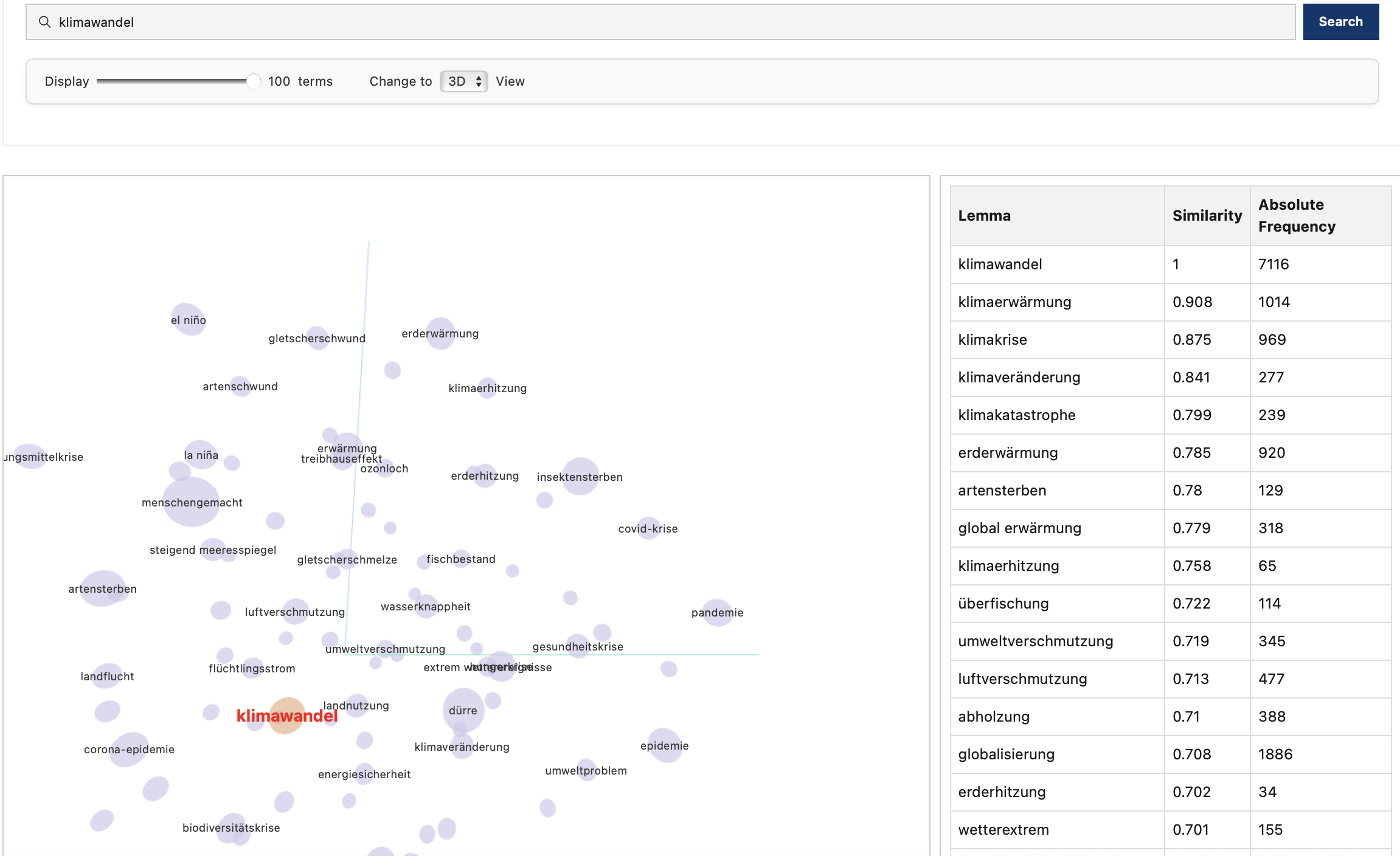
Fig. 16 Nearest neighbours of Klimawandel in the German journalistic corpus.#
The tool suggests near-synonyms — Klimaerwärmung (‘climate warming’), Klimaveränderung (‘climate change’), Erderwärmung (‘global warming’) — as well as contextually related terms such as Klimakrise (‘climate crisis’), Klimakatastrophe (‘climate catastrophe’), and Artensterben (‘species extinction’). This gives Susanne a richer vocabulary to work with.
Step 2 — Investigating usage with Context of Words#
Next she examines how these terms appear in articles. She opens Advanced Search and enters a CQP query:
[lemma="Klimawandel|Klimaerwärmung|Klimaveränderung"]
This finds all word forms of the three lemmas. She can then explore the Context of Words view, showing text snippets around each hit, and Distribution in Documents, showing where in each document the terms occur. Every example links back to the original article in the SMD Swiss Media Database.
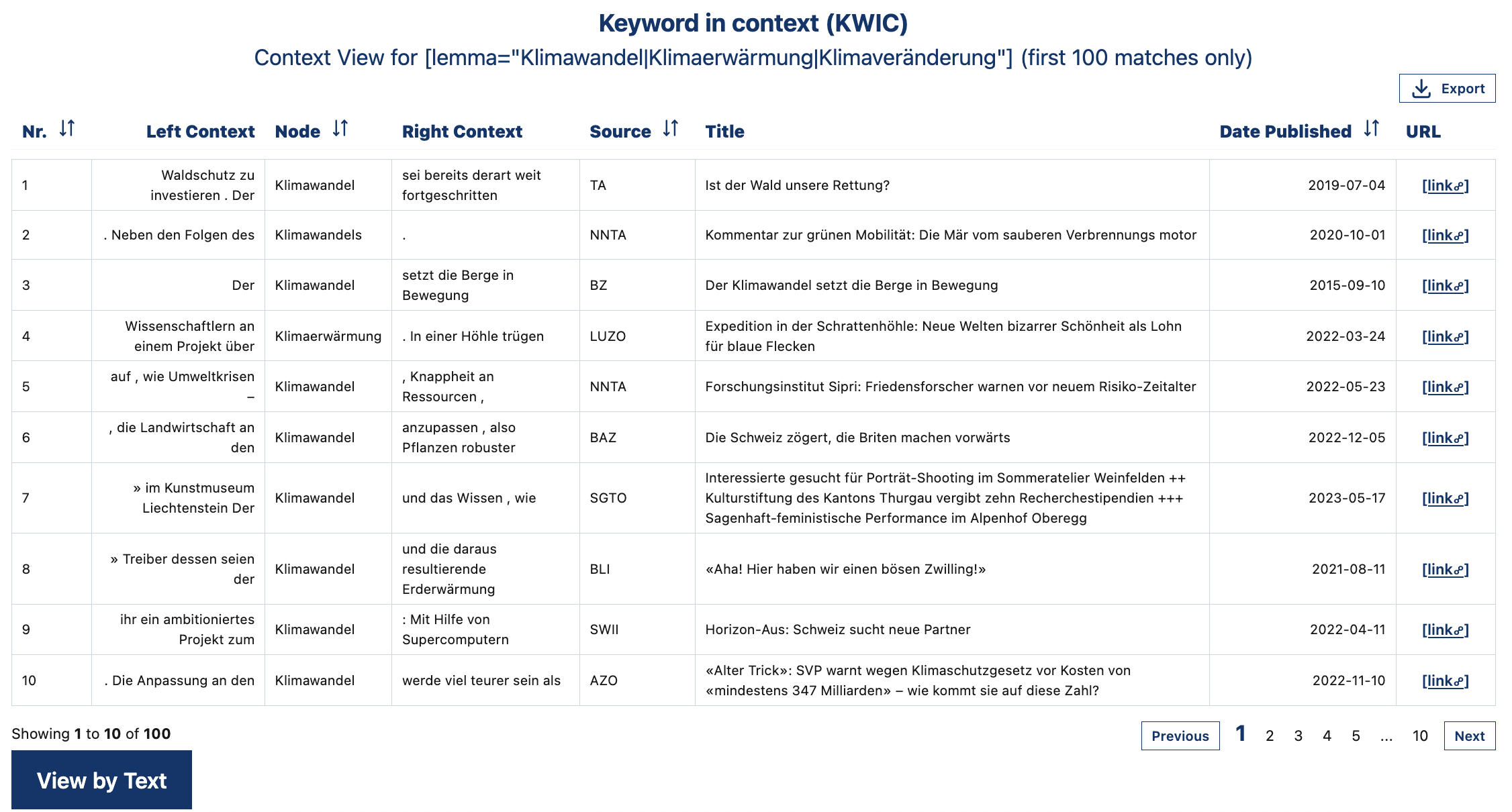
Fig. 17 Context of Words view for the three climate terms.#
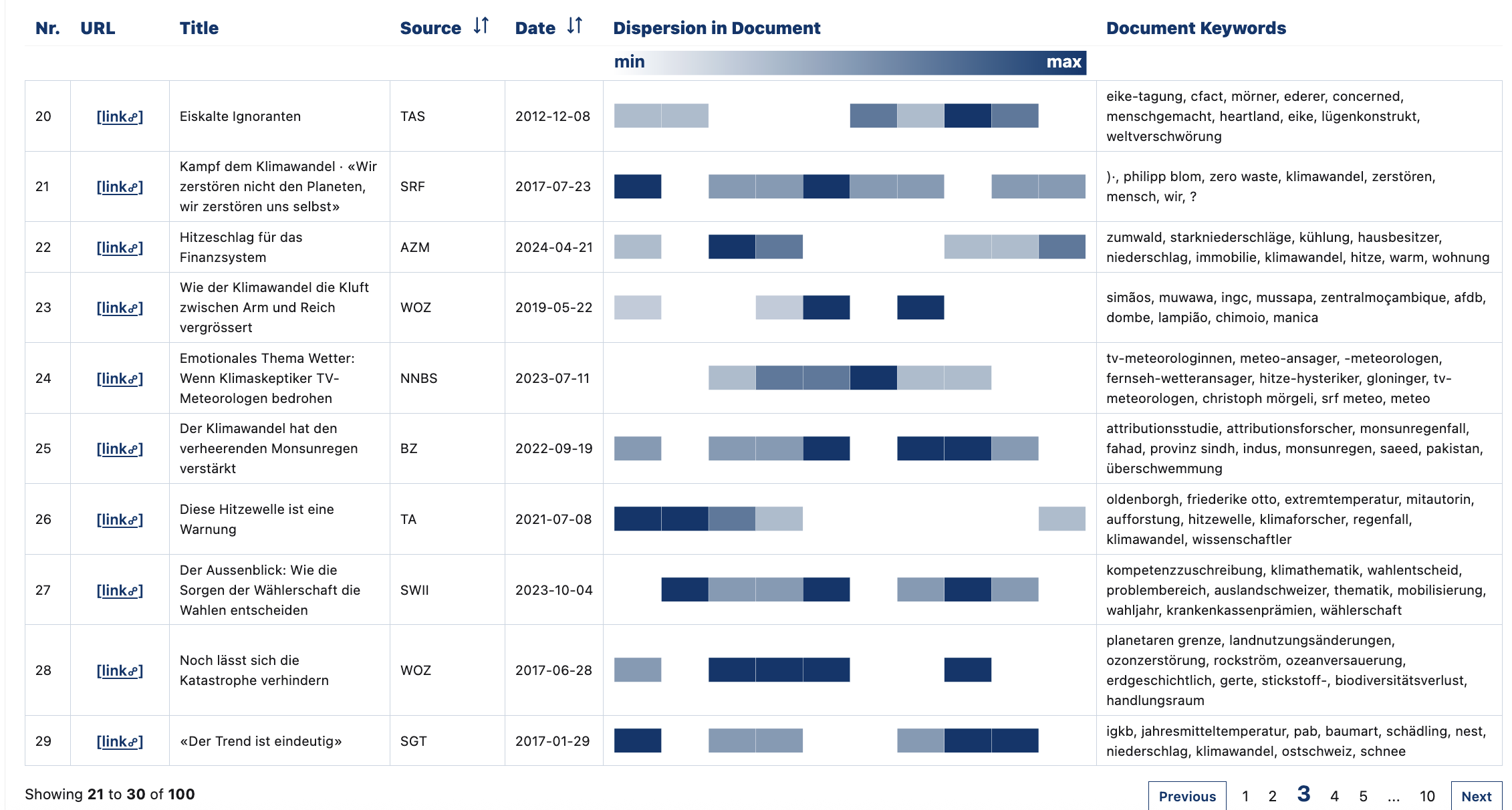
Fig. 18 Distribution in Documents for the same query.#
Step 3 — Comparing outlets with Distribution of Words#
To see how frequently these terms appear across outlets, Susanne uses Distribution of Words. This lets her compare relative frequencies by source and identify which outlets focus most on the vocabulary she selected. With a clearer overview, she creates subcorpora for selected media — SWII, WOZ, and WEWO — for deeper comparative analysis.
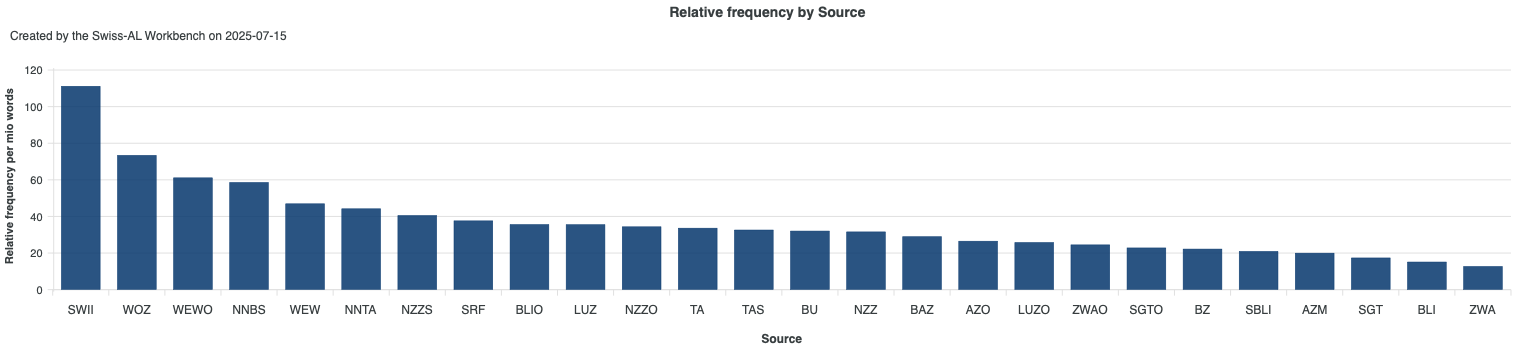
Fig. 19 Distribution of the climate terms by source.#
No Billag#
Tools used: Context of Words · Distribution in Documents
A media scholar wants to understand how the current debate about the Halbierungsinitiative (‘Halving Initiative’) works. To do so, he looks back at how the No Billag referendum was reported at the time. His hypothesis is that appeals to democracy, neutrality, and cost savings were already in use then as argumentative strategies.
His question: how do democracy, neutrality, and costs appear in connection with No Billag?
Step 1 — Getting an overview#
He searches the German journalistic corpus for No Billag and No-Billag in Context of Words, which gives him source, title, date, and surrounding text. It is immediately clear that No Billag is by no means always the main topic of an article that mentions it.
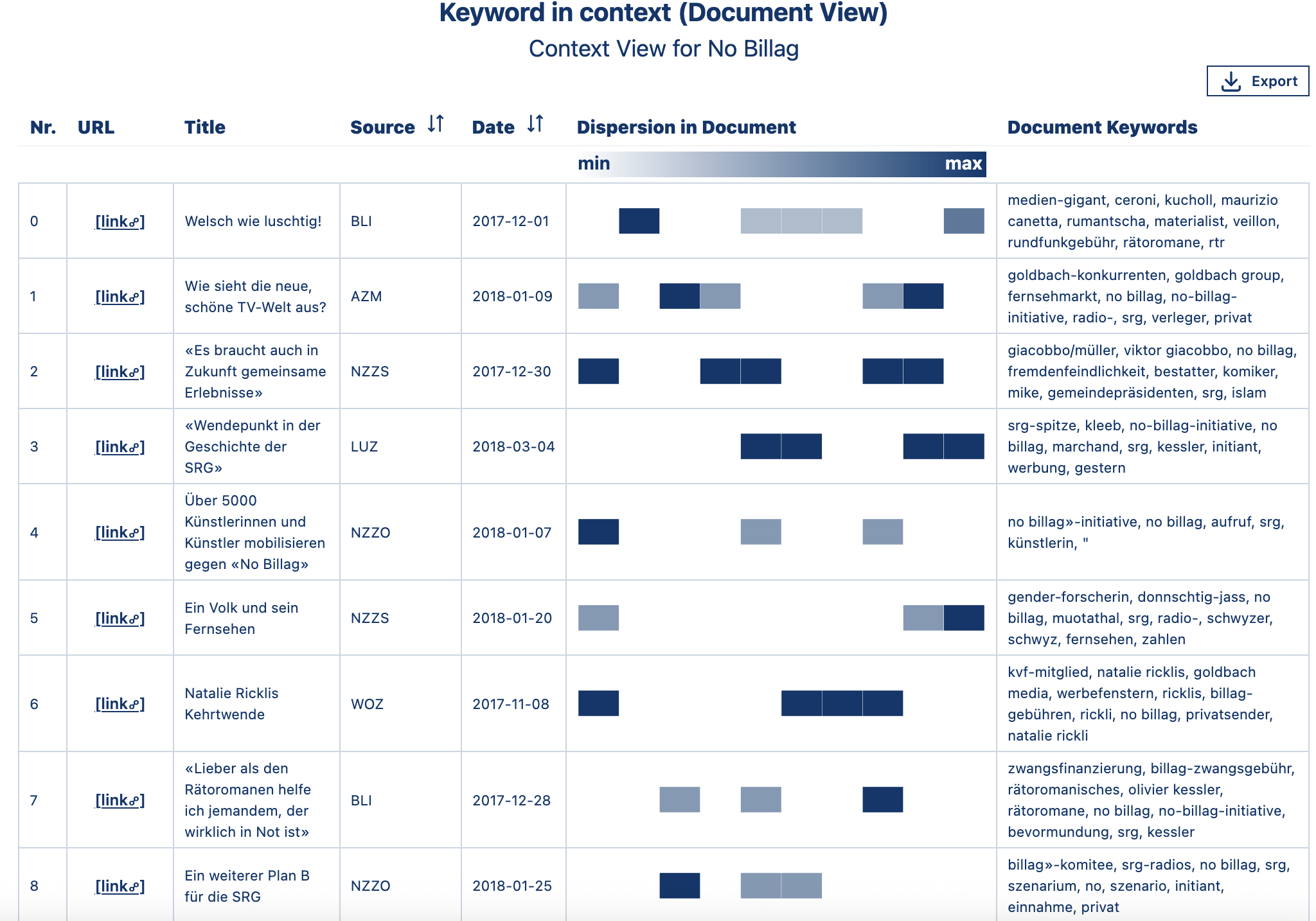
Fig. 20 Context of Words results for No Billag.#
Step 2 — Separating mentions from coverage#
To find the articles that actually deal with No Billag rather than merely mentioning it, he switches to Distribution in Documents. The contrast is visible in the data: in No. 62, “Steuerreform: Es soll schnell gehen und ohne Referendum” (‘Tax reform: it should be quick and without a referendum’), the term appears once in passing. In No. 3, “Wendepunkt in der Geschichte der SRG” (‘Turning point in SRG’s history’), it is the subject of the article.
Step 3 — Reading the relevant articles#
He then selects the articles relevant to his question — No. 3, 61, 36, 76 — and follows the source URL to read them in full on swissdox.ch, which requires separate access.
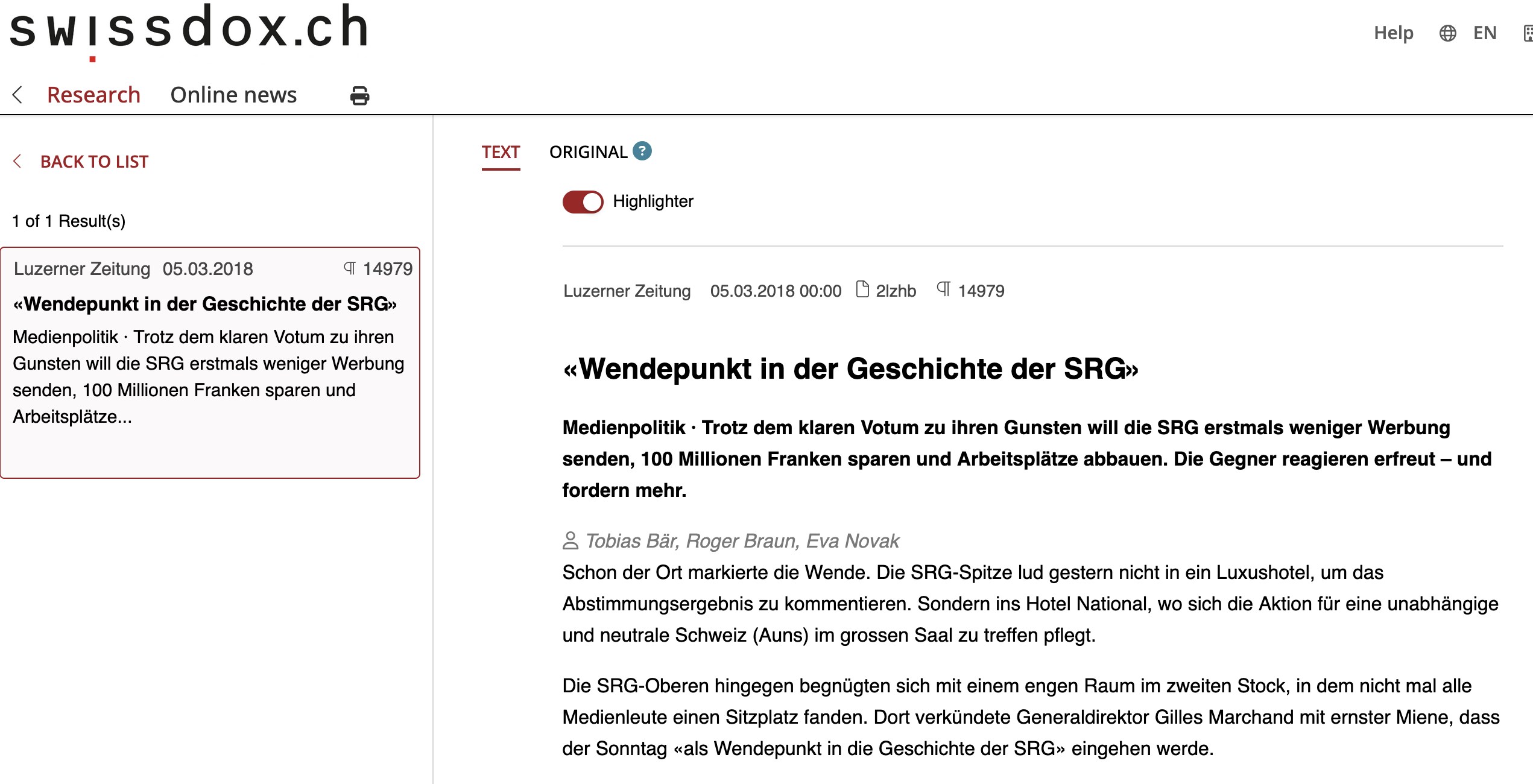
Fig. 21 Following a result through to the full article on swissdox.ch.#